Guide
Supplements and Blood Thinners: Which Nervecept Ingredients Carry a Caution?
Six of the eight Nervecept ingredients appear in a bleeding or blood-thinner caution from MSK, Mayo Clinic or NCCIH: glucosamine, chondroitin, turmeric, Indian frankincense, quercetin and bromelain. If you take warfarin or another blood thinner, ask your doctor or pharmacist before starting any supplement, and never change a prescribed medicine on your own.
Written by the Nervecept label deskUpdated
The short answer01
Is Nervecept safe with warfarin or other blood thinners?
We cannot say it is. Six of its eight ingredients appear in cautions about bleeding, and no study of the capsule itself exists.
That does not mean the capsule will harm you. It means a pharmacist should check your list first. NIH says to tell your providers about every supplement, because some interact with medicines 1.
| Ingredient | Per capsule | What the source says |
|---|---|---|
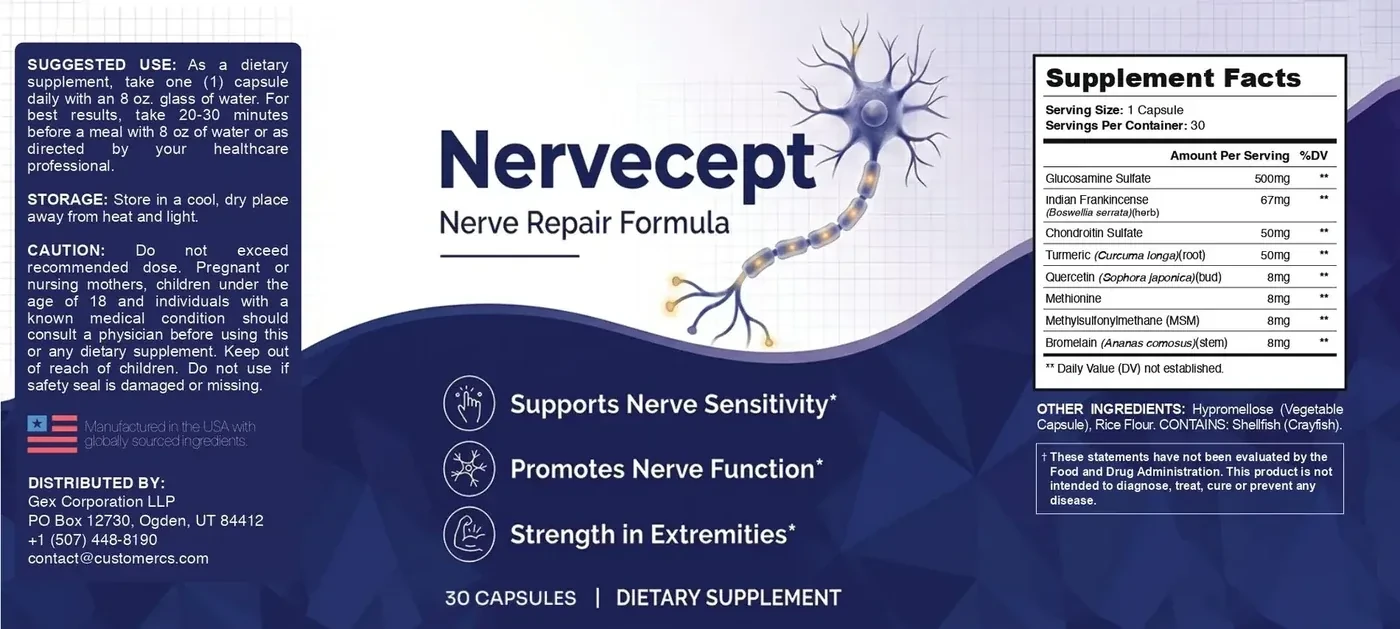
| Glucosamine sulfate | 500 mg | May raise INR with warfarin 2 3; linked with bleeding risk 4 |
| Chondroitin sulfate | 50 mg | Linked with bleeding risk in people on warfarin 4 |
| Turmeric | 50 mg | MSK advises against it with warfarin or other anticoagulants 5 |
| Indian frankincense | 67 mg | May increase bleeding risk 6 |
| Quercetin | 8 mg | A warfarin user's INR rose, then normalized after stopping 7 |
| Bromelain | 8 mg | Avoid with blood thinners 8 |
| Methionine, MSM | 8 mg each | No blood-thinner caution found in the pages we read |
Why it matters02
Why do supplements matter with blood thinners?
Because a small change in how a blood thinner works can mean bleeding that is hard to stop, or a clot that is not prevented.
Not every blood thinner works the same way. Warfarin, newer oral anticoagulants and antiplatelet medicines such as aspirin each have their own interaction profile, and the pages we read name warfarin and aspirin most often. If you take any of them, say which one when you ask.
Warfarin is monitored with a blood test called INR, and its effect shifts with diet, other medicines and supplements. MSK reports a case in which a warfarin user's INR rose after quercetin and normalized after stopping it 7. For turmeric, MSK says a case report and preclinical studies suggest a bleeding risk, and that turmeric may lessen the effect of aspirin and ibuprofen 5.
The bleeding risk in these pages comes from case reports and lab work, not from large trials, and the clinical relevance of some findings is unknown. That uncertainty is the reason to ask, not a reason to relax.
Beyond blood thinners03
Which other medicines and conditions need a check?
Diabetes medicines, asthma, antibiotics and some chemotherapy.
Diabetes
MSK says glucosamine could worsen insulin resistance, and NCCIH says it may raise blood sugar in some people 2 4.
Asthma
Mayo says glucosamine might worsen asthma 3.
Pregnancy, breastfeeding and planned surgery are also reasons to ask first. The label says pregnant or nursing mothers should consult a physician, and NIH says to tell providers about supplements before surgery 1.
The label also prints CONTAINS: Shellfish (Crayfish) 9. Allergy to shellfish is a reason to ask before using glucosamine 2 3.
What to do04
What should you ask your pharmacist or doctor?
Show the label and ask five short questions.
Show the list
Hand over the Supplement Facts panel and your medicine list.
Ask about each caution
Name glucosamine, chondroitin, turmeric, frankincense, quercetin and bromelain.
Ask about monitoring
If you take warfarin, ask whether and when to check INR.
Ask about surgery
Tell the surgical team about every supplement 1.
Ask about alternatives
Ask whether another approach fits your cause of numbness better.
Keep taking every prescribed medicine as directed. Never stop a blood thinner because of a supplement or a web page. Call 911 for bleeding that will not stop, black stools, or sudden weakness on one side 10.
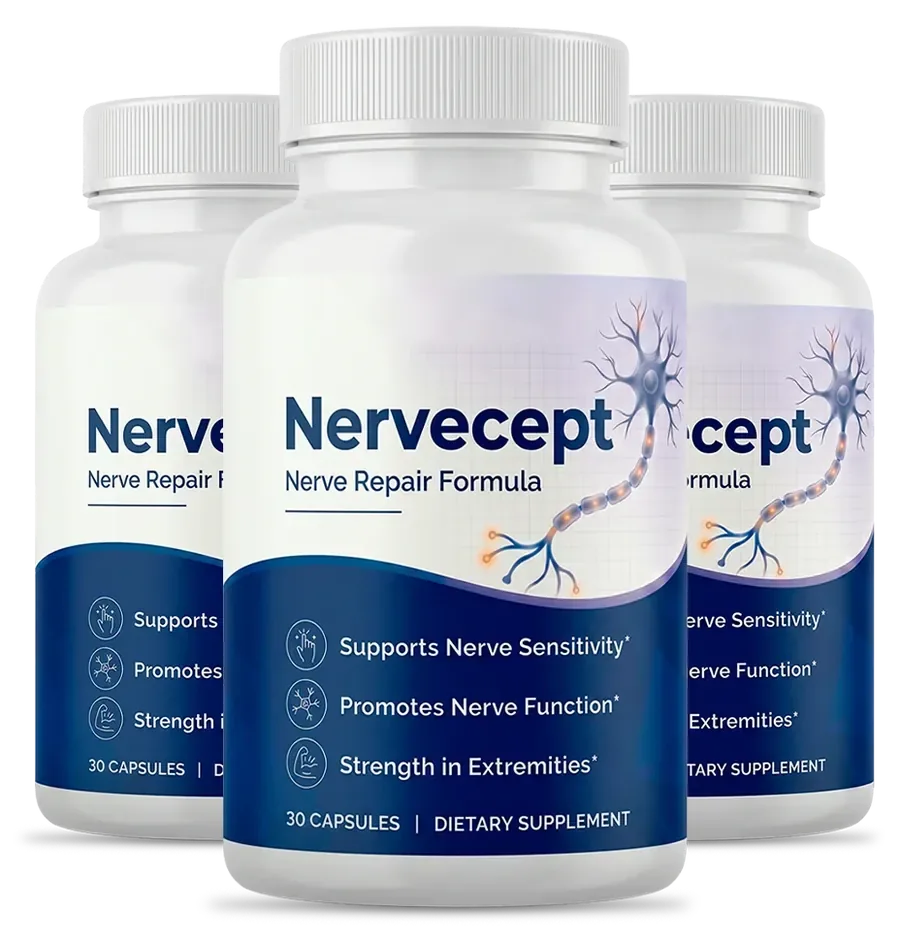
Nervecept: from $49 a bottle30 capsules · 2, 3 or 6 bottles · free US shipping on 3 and 6 · 60-day money-back guarantee
See packsWhat the sources can and cannot tell you05
How strong is the evidence behind these cautions?
Mixed. Some cautions rest on case reports and lab studies, and the sources say the clinical meaning is not always known.
Take frankincense. MSK says it may increase your risk of bleeding when taken with blood thinners, and that its effects on drug transporters in the lab have unknown clinical relevance 6. Take bromelain. MSK says preclinical studies suggest more bruising and bleeding with blood thinners, and that its effect on one liver enzyme is undetermined 8.
A caution built on a lab finding is still a caution. It tells you which questions to ask, and it asks for care where nobody has run a large trial. The honest reading is not "this will harm you" and not "this is fine". It is "ask a professional who knows your whole list".
The capsule holds 500 mg of glucosamine and 50 mg of chondroitin and turmeric, with 67 mg of frankincense and 8 mg of the rest. The pages we read do not say whether amounts that small change the risk. That is another thing to ask about.
Warning signs06
What signs of bleeding should you watch for?
Unusual bruising, nosebleeds that will not stop, bleeding gums, blood in urine or stool, or black stools.
- Call your clinician the same day for easy bruising, a bleeding gum or a long nosebleed.
- Seek urgent care for blood in urine or stool, or vomit that looks like coffee grounds.
- Call 911 for bleeding that will not stop, a sudden severe headache, or sudden weakness or numbness on one side 10.
Do not wait to see if it passes. Tell the clinician every supplement you take, including the capsule's name and the lot code on the bottle.
Reading labels07
How do you read any supplement label for interactions?
Look up each ingredient on a trusted page, and write down the caution for each.
The FDA says natural does not always mean safe, and that supplements may interact with medicines 1. NIH offers the same advice. Use pages from NIH, NCCIH, MSK, Mayo Clinic or Cleveland Clinic, not a seller. If you cannot find a page for an ingredient, say so to your pharmacist, as we do for methionine.
A good habit is to keep one up-to-date list on your phone or in your wallet, with every medicine and supplement, the dose and the date you started. Show it at every visit, every pharmacy and every dental appointment. It takes a few minutes to keep current and can prevent an avoidable interaction.
See Nervecept side effects for every ingredient in one table, and the eight ingredients for the amounts.
FAQ08
Nervecept questions people ask
Is turmeric safe with warfarin?
MSK advises against taking turmeric supplements with warfarin or other anticoagulants 5. Ask your pharmacist.
Does quercetin affect blood thinners?
MSK reports a warfarin user whose INR rose after quercetin 7. Ask your doctor first.
Is glucosamine safe with warfarin?
What about aspirin?
MSK says turmeric may lessen the effects of aspirin and ibuprofen 5. Ask your pharmacist about your own medicine.
Which Nervecept ingredients have no blood-thinner caution?
In the pages we read, methionine and MSM carry none. For methionine we found no page to read at all.
Should I stop my blood thinner?
No. Never stop or change a prescribed medicine on your own. Ask your doctor.
Who wrote this09
Written and reviewed by
Pages built from the label, the sales page and linked NIH, FDA, CDC, FTC and peer-reviewed sources.
Last updated . Read our editorial standards and how we check reviews. This website is the information site for a USA Authorized Nervecept Retailer. It is not the manufacturer or the distributor named on the label. We earn money when you buy through our order links.
Keep reading
More about Nervecept

USA Authorized Nervecept Retailer
Ready to try Nervecept?
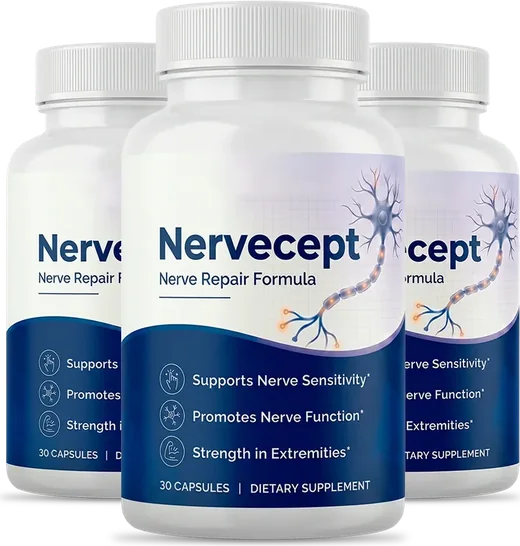
Check your medicines first, especially blood thinners, and the shellfish line on the label, then pick a pack. Six bottles cost the least per bottle; three and six ship free in the US; every pack carries the 60-day money-back guarantee.
- Secure checkout on the sales site
- 60-day money-back guarantee
- Ships from the U.S.